






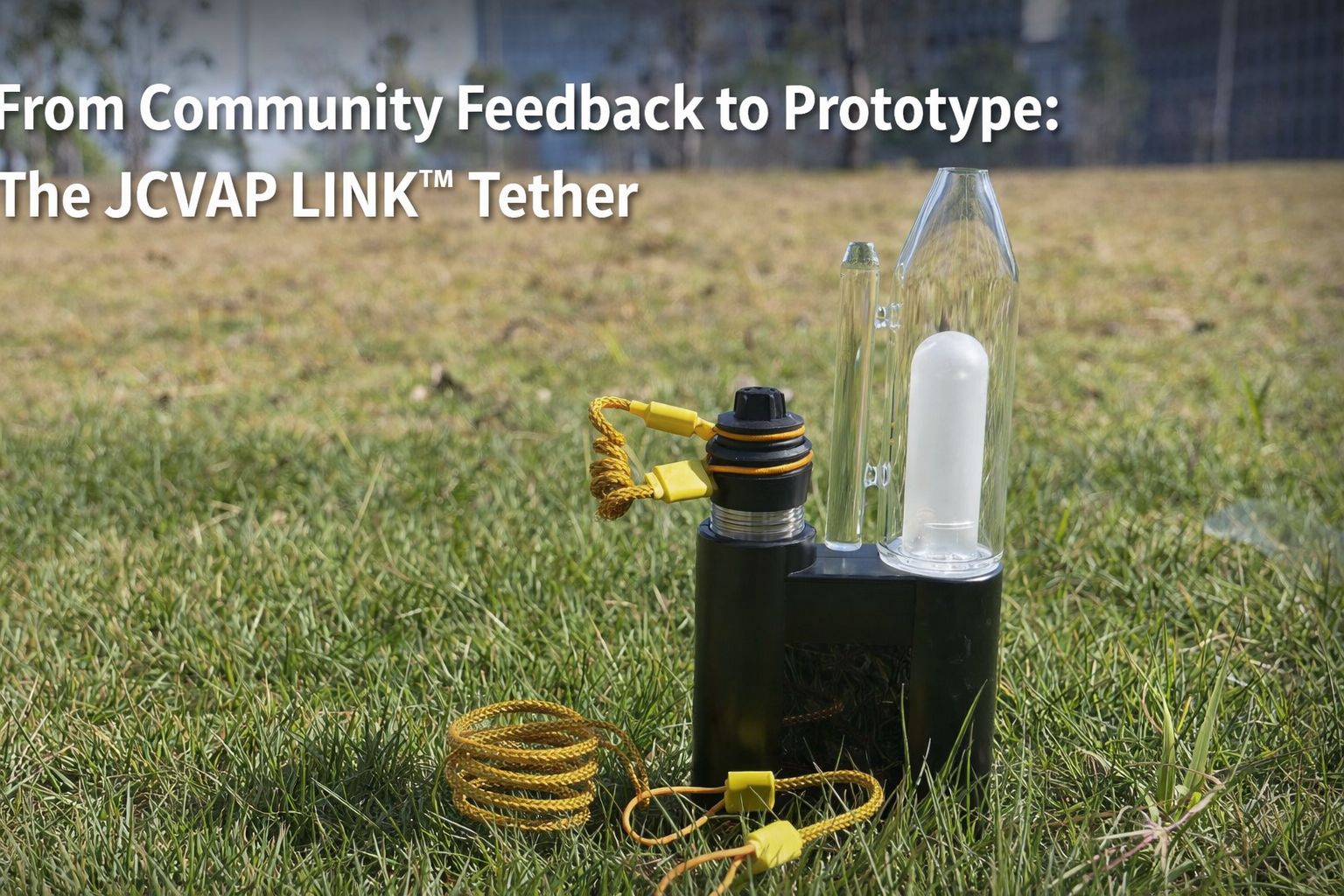
From Community Feedback to a New Idea
At JCVAP, many of our product ideas don’t begin in a meeting room — they start with our community.
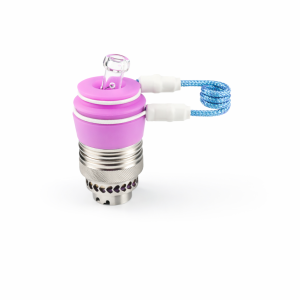
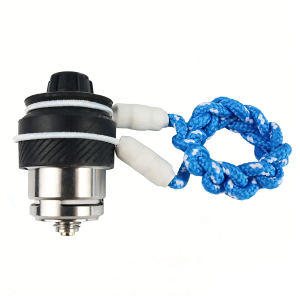
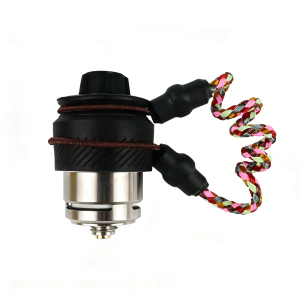
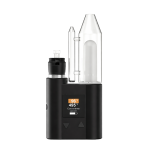
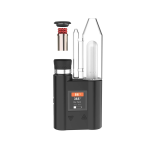
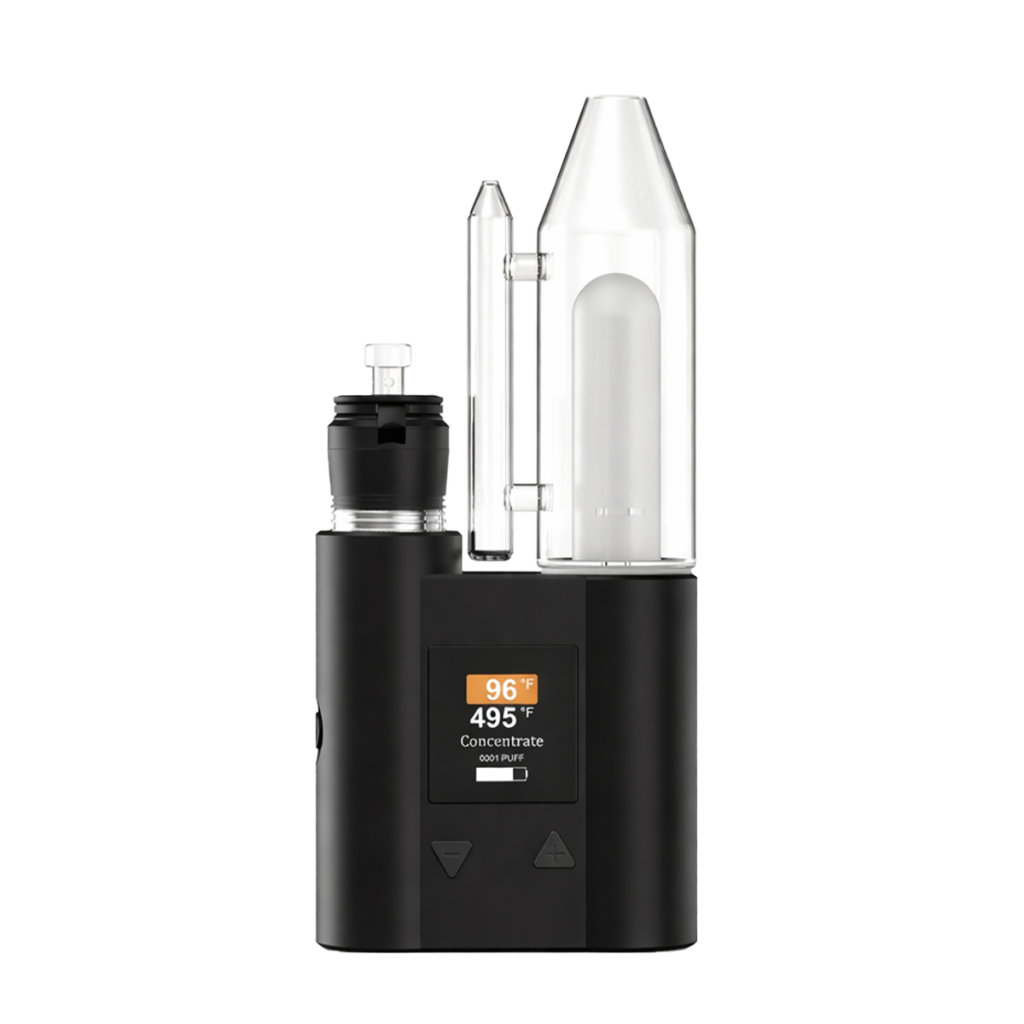
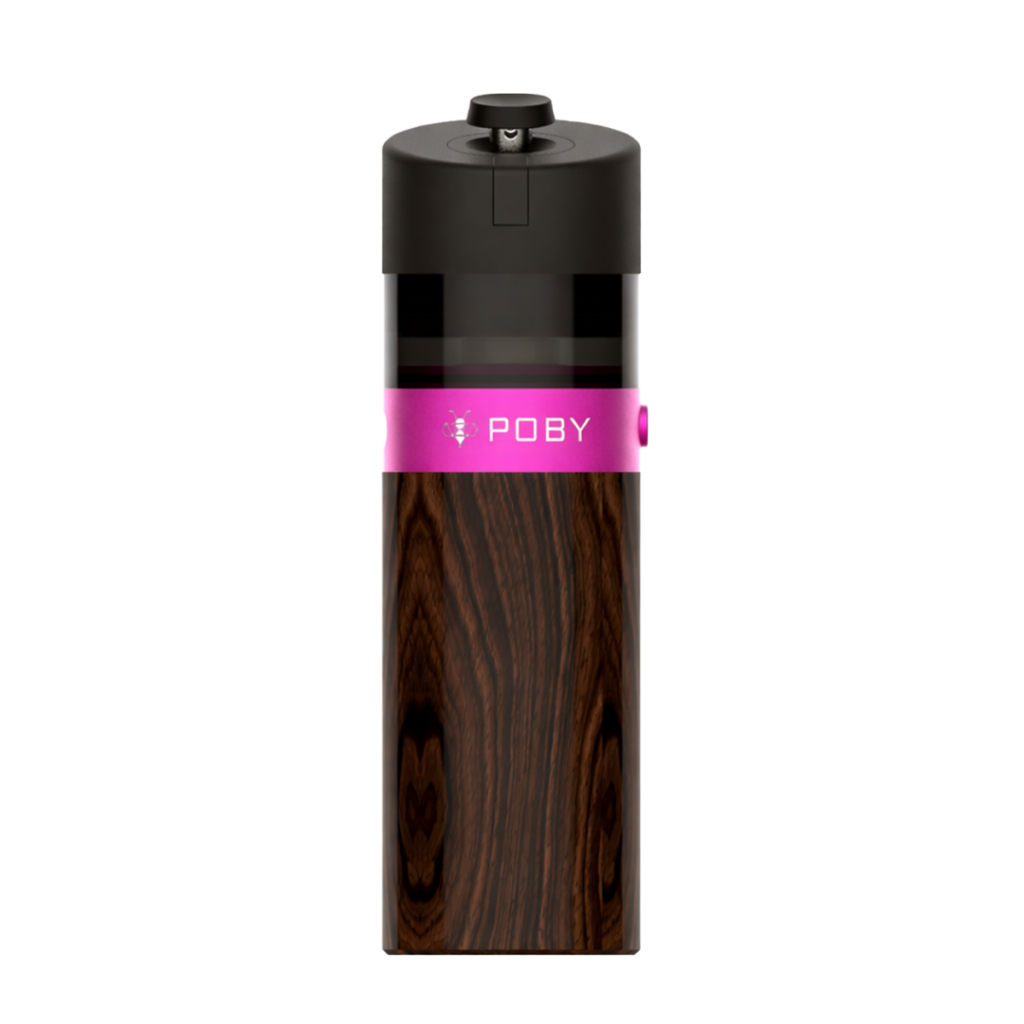
Over time, we received feedback from Pockety users who were looking for a tether-style solution to better integrate their device into daily use. At the same time, we also noticed that some customers were already experimenting on their own, pairing Pockety with third-party tether products they found online.
Seeing both the requests and the community creativity made one thing clear: this wasn’t about copying an existing product. It was about adding a new option and a new way to play within the Pockety ecosystem.
Researching Materials and Structure
Before making anything physical, we spent time collecting reference images and technical information from various online sources. We studied different tether designs, material combinations, and structural approaches used in other industries.
During this stage, we also consulted ChatGPT to help explore possible materials, connection methods, and assembly structures. The goal was not to over-engineer the product, but to quickly identify solutions that were realistic, manufacturable, and visually clean.
Once we had a general direction, we moved on to sourcing materials and basic tools to test our assumptions in the real world.
From Concept to Prototype in Just Three Days
One of the most encouraging parts of this project was how quickly everything came together.
From initial research to hands-on assembly, it took just three days to complete our first working prototype. For a first version, the results were very satisfying — the tether looked good, felt solid, and was extremely easy to use in practice.
At this stage, speed mattered more than perfection. We wanted to see whether the idea itself worked.
Choosing Stainless Steel Braided Cable
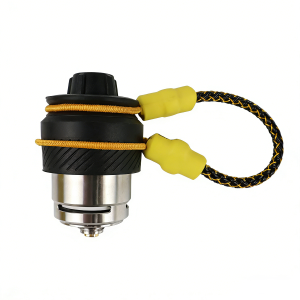
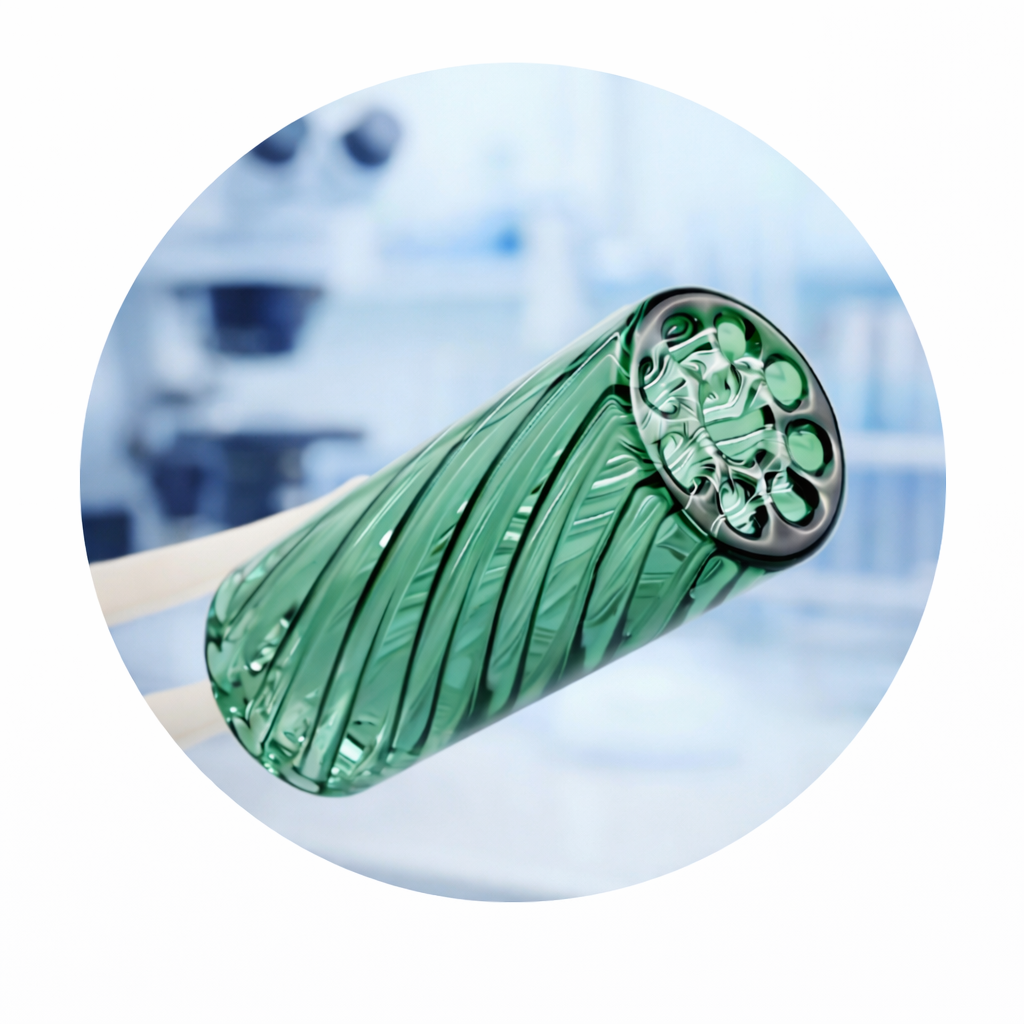
For the main body of the tether, we selected a color-coated stainless steel braided cable.
This material turned out to be an excellent choice. In hand, it looks significantly better than it does in online photos. The surface finish is clean, the texture feels premium, and the available color and size options are surprisingly rich.
Because this was our first attempt — and there was always the possibility of choosing the wrong material or structure — we decided to start cautiously.
Out of dozens of available colors, we chose gold as our initial test color. Since all of the materials were imported from Japan, the cost per unit was relatively high, which limited the number of samples we could produce in this first run.
We did consider black early on, but since most of our silicone components are already black, it didn’t help highlight the tether itself. Gold, on the other hand, created a strong visual contrast and immediately felt more premium.
To complement it, we paired the cable with yellow heat-shrink tubing, which added both visual balance and a finished look.
When the first sample was completed, the result honestly exceeded our expectations — it was bright, eye-catching, and felt great in hand.
Shape Memory and Coil Formation
One particularly useful characteristic of this braided cable is its shape memory.
It can be wrapped into a coil and retains its form well, which makes it very convenient for everyday use. However, during testing we learned that the coil diameter is critical.
At first, we tried using a finger as a winding rod, which didn’t work — the diameter was too large, and the coil wouldn’t hold its shape. After reducing the winding diameter, the difference was immediately noticeable.
Eventually, we used the metal handle of a bolt cutter as a winding rod, and the results were excellent. The coils became tight, consistent, and stable, making the tether easy to manage and visually clean.
Assembly and Fixation
The final step was connection and fixation.
For this, we used an 8-shaped crimp connector along with a small press. This part of the process turned out to be straightforward and reliable, with no unexpected challenges.
The structure was simple, clean, and easy to reproduce — exactly what we wanted for a first-generation prototype.
Looking Ahead
As a first-generation prototype, there are still details we’d like to refine — and that’s completely expected. At this stage, what matters most to us is understanding how the community responds to this idea.
If users find value in this tether and support the concept, we’ll continue iterating and expanding the series. That includes exploring more materials, colors, and styles, as well as adapting the design for other devices such as Pockety, Puffco Peak, Puffco Peak Pro, Dr. Dabber Switch, and Focus V Carta. We’re also open to customization and community-driven ideas as the project evolves.
If this is something you’re interested in, or if you have specific needs or suggestions, feel free to leave a comment below. Your feedback will help shape where this goes next.