



Regular Synthetic Opal vs High-Temperature Opal Explained Introduction
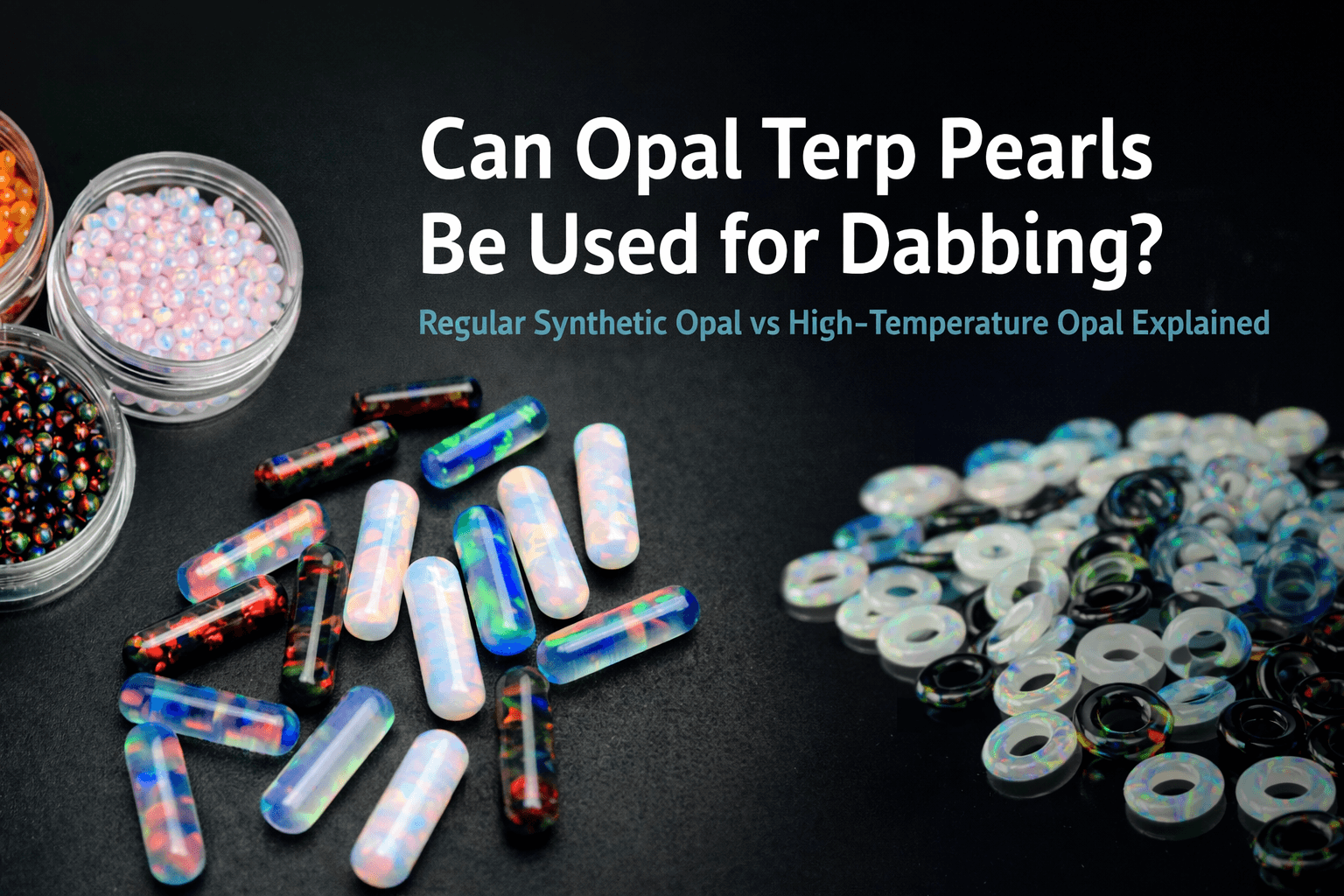
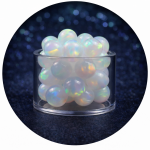
Opal terp pearls have become increasingly popular in the dabbing community, mainly due to their unique color play and smoother heat characteristics. However, not all opal materials are created equal.
A common question we receive is:
Can regular synthetic opal terp pearls safely be used in dab rigs, especially at temperatures up to 350°C (662°F)?
In this guide, we’ll explain:
What opal terp pearls are made of
The difference between regular synthetic opal and high-temperature opal
Whether 350°C is safe for standard opal
Best practices for safe use
What Are Opal Terp Pearls?
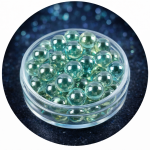
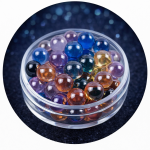
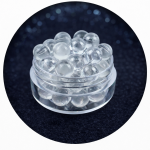
Opal terp pearls are small spherical inserts used inside bangers or chambers to:
Improve heat distribution
Enhance vaporization efficiency
Create airflow movement when spinning
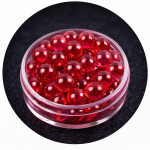
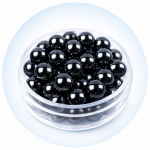
Unlike quartz, ruby, or SiC, opal is often chosen for its aesthetic appeal and gentler heat transfer rather than extreme thermal performance.
Opal Is Not a Single Material
This is the most important thing to understand.
In the dab market, “opal” typically refers to two very different material types, even though they look similar on the surface.
Regular Synthetic Opal (Decorative Grade)
Characteristics:
Made from silica combined with resin or glass-based binders
Designed primarily for jewelry and decorative applications
Strong color play and visual effects
Lower production cost
Limitations:
Not engineered for repeated high-temperature thermal cycling
Internal binders may degrade under prolonged heat exposure
Long-term durability at dab temperatures is inconsistent
High-Temperature Opal (Lab-Grade / High-Temp Opal)
Characteristics:
Higher inorganic silica content
Minimal or no resin binders
Designed specifically for thermal stability
Commonly used in functional or laboratory-grade applications
Advantages:
Better resistance to thermal shock
More stable structure during repeated heating and cooling
Longer service life in daily dabbing environments
Can Regular Opal Handle 350°C (662°F)?
Short Answer
| Opal Type | Safe at 350°C? | Recommendation |
|---|---|---|
| Regular Synthetic Opal | ⚠️ Short-term use only | Not recommended for daily use |
| High-Temperature Opal | ✅ Yes | Strongly recommended |
Why Temperature Alone Is Not the Only Factor
While 350°C is below the melting point of most silica-based materials, dabbing introduces more aggressive conditions:
Rapid heating
Rapid cooling
Repeated thermal cycling
This thermal shock, not peak temperature alone, is what causes most material failures.
Why Regular Opal Degrades Over Time
Resin or binding phases may begin to degrade around 250–300°C
Repeated heating cycles can cause:
Dull or faded color
Micro-cracks inside the structure
Reduced surface integrity
Failure usually happens gradually, not instantly.
Best Practices If You Choose Regular Opal
If you decide to use regular synthetic opal terp pearls, follow these guidelines to reduce risk:
Keep temperatures below 300°C (572°F)
Avoid direct flame or localized overheating
Allow pearls to cool naturally before cleaning
Never drop hot opal pearls into alcohol or water
Stop using immediately if discoloration or cracks appear
These steps may extend lifespan, but they do not guarantee long-term safety.
Who Should Use High-Temperature Opal?
High-temperature opal terp pearls are recommended for:
Daily or frequent dabbing
Devices operating above 320°C
Users who value long-term consistency
Commercial or review environments
High-end dab setups where reliability matters
Opal vs Other Common Terp Pearl Materials
| Material | Heat Resistance | Flavor | Visual Appeal | Durability |
|---|---|---|---|---|
| Quartz | High | Clean | Low | Very High |
| Ruby | Very High | Crisp | Low | Extremely High |
| SiC | Very High | Strong | Low | Extremely High |
| Regular Opal | Low–Medium | Smooth | Very High | Low |
| High-Temp Opal | High | Smooth | Very High | High |
Final Verdict
Regular synthetic opal terp pearls can tolerate 350°C for short-term or occasional use, but they are not ideal for long-term or high-frequency dabbing.
For consistent performance, safety, and durability, high-temperature opal is the correct choice.